Unlocking Potential: The Power of Classroom 30X

What is Classroom 30X?
Classroom 30X represents a transformative approach to education, designed to maximize student engagement and learning outcomes. Originating from the need for innovative pedagogical strategies, this model challenges the conventional classroom setup by emphasizing a dynamic and collaborative learning environment. The core principles of Classroom 30X focus on fostering community, inclusivity, and adaptability, making it distinct from traditional educational systems.
One of the key features of Classroom 30X is its commitment to collaborative learning environments. Instead of a static arrangement where students passively receive information, this model promotes active participation and peer-to-peer interaction. Students are encouraged to work in groups, share ideas, and tackle problems together. This collaborative spirit not only enhances critical thinking skills but also helps develop social skills and emotional intelligence, which are crucial for personal and professional success in today’s world.
Moreover, Classroom 30X integrates diverse instructional strategies, catering to different learning styles and preferences. Educators utilize a mix of visual, auditory, and kinesthetic methods, ensuring that all students can engage with the material in a way that resonates with them. This personalized approach empowers students to take ownership of their learning journey, fostering autonomy and motivation.
Lastly, technology integration is a hallmark of Classroom 30X. The use of digital tools and online resources allows for a more interactive experience, where students can collaborate beyond the physical classroom. From virtual discussions to educational software that enhances understanding, the blend of traditional teaching methods with modern technology creates a rich educational landscape that responds to the needs of the 21st century learner. The combination of these elements makes Classroom 30X a pioneering initiative in contemporary education.
Benefits of Implementing Classroom 30X
The implementation of Classroom 30X brings forth a myriad of benefits for both educators and students, transforming traditional learning environments into engaging and dynamic spaces. One of the most significant advantages is the enhancement of student engagement. By integrating interactive tools and varied teaching methods, Classroom 30X captures students’ attention and encourages active participation. Educators report that students exhibit a higher level of enthusiasm and willingness to contribute when lessons are designed around the principles of Classroom 30X.
Furthermore, improved learning outcomes constitute another notable benefit of this innovative approach. Research has shown that students who learn in a Classroom 30X environment often demonstrate higher retention rates and improved academic performance. The emphasis on collaborative learning and peer-to-peer interaction allows for diverse perspectives to emerge, fostering deeper understanding and mastery of subject material. For example, a high school math teacher who adopted Classroom 30X noted a substantial improvement in test scores, attributing this change to the increased collaboration and personalized support available to students.
In addition, Classroom 30X significantly fosters critical thinking skills, an essential component in preparing students for future challenges. The model encourages students to analyze, evaluate, and synthesize information, rather than merely memorizing facts. A history teacher implementing this approach highlighted how debates and discussions in the classroom have prompted students to think critically about historical events and their implications. Students are now more adept at formulating arguments and defending their viewpoints, skills that transcend academic performance.
In conclusion, the advantages of implementing Classroom 30X are clear. Enhanced engagement, improved learning outcomes, and the fostering of critical thinking skills collectively illustrate the transformative impact this model has on education. Educators who have witnessed these changes provide compelling testimonials that underscore the effectiveness of Classroom 30X in meeting the diverse needs of today’s learners.
Challenges and Solutions in Adopting Classroom 30X
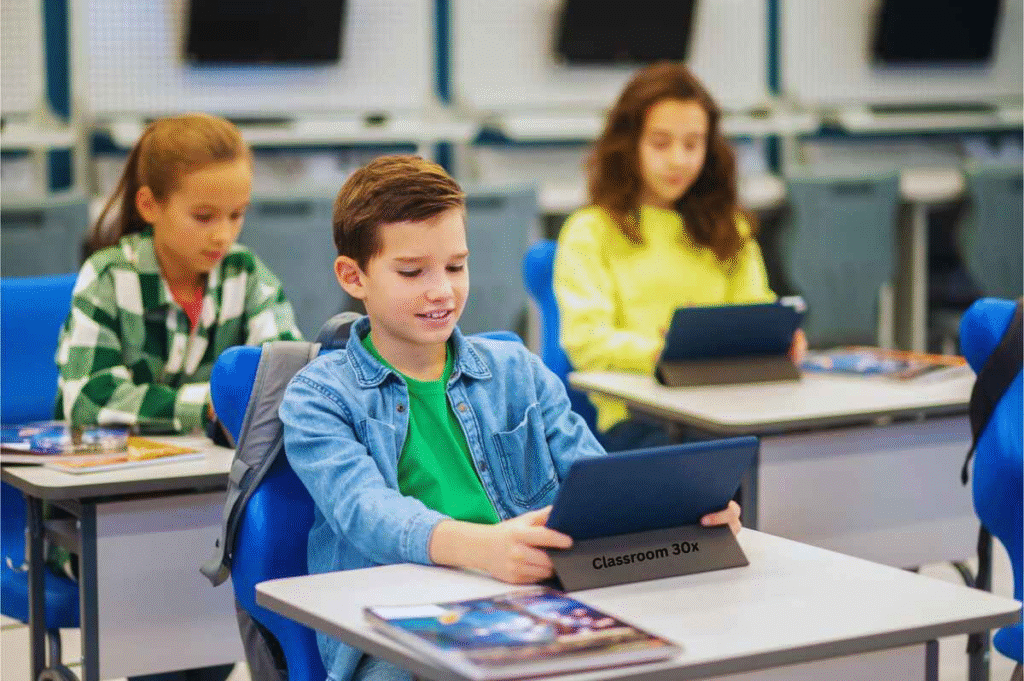
The transition to the Classroom 30X model presents several challenges that schools and educators must address to ensure effective implementation. One predominant issue is resistance to change. Educators may be reluctant to shift from traditional teaching methods to the more dynamic approaches utilized in Classroom 30X. This hesitation stems from a fear of the unknown, potential disruptions to established routines, and apprehensions about their own proficiency with new technologies. It is crucial for educational leaders to foster a culture that embraces change through open dialogue. Engaging teachers in discussions about the benefits of Classroom 30X and allowing them to express their concerns can ease this transition.
Another significant challenge is the limitation of resources, which can hinder the successful integration of the Classroom 30X framework. Many schools operate under budget constraints, making it difficult to procure necessary technology, materials, and training. To mitigate this issue, schools can seek partnerships with local businesses or educational organizations to secure funding, or explore grants specifically designed for educational innovation. Additionally, schools can adopt a phased approach to implementation. By gradually introducing key components of Classroom 30X, schools can manage costs and minimize resource strain while still making strides towards their educational goals.
Lastly, training needs are critical to the successful adoption of Classroom 30X. Teachers may require ongoing professional development to effectively utilize new tools and methodologies. It is recommended for schools to invest in comprehensive training programs that include peer mentoring, workshops, and tailored resources to build educators’ confidence and skills. Furthermore, creating a community of practice where teachers share experiences and strategies can enhance the overall adoption process, making it more collaborative and less intimidating. Addressing these challenges with actionable strategies will not only smooth the transition but will also foster a more effective learning environment for students.
Future of Classroom 30X: Trends and Innovations
The future of Classroom 30X is poised for significant transformation, driven by emerging trends and innovative technologies that are reshaping the educational landscape. One of the most notable advancements is the integration of artificial intelligence (AI) into classroom environments. AI can personalize learning experiences, adapting teaching methods and content to meet the unique needs of each student. By harnessing data analytics, educators can gain insights into student performance, allowing for timely interventions and support, thereby maximizing potential within the Classroom 30X framework.
Personalized learning represents another critical trend shaping the evolution of Classroom 30X. This approach recognizes that learners are not a monolith; diverse skill levels, interests, and learning styles necessitate tailored educational experiences. As technology continues to evolve, the opportunities for customizing learning paths will only expand. The integration of various digital tools and platforms will enable educators to create dynamic, adaptable lessons that cater to individual students, fostering deeper engagement and understanding within the Classroom 30X environment.
Furthermore, the significance of social-emotional learning (SEL) in modern education cannot be overstated. Classroom 30X will increasingly incorporate SEL initiatives, emphasizing the importance of nurturing emotional intelligence, resilience, and collaboration among students. By integrating these principles into the curriculum, educators can help students develop essential life skills alongside academic knowledge, preparing them for success in a rapidly changing world.
Looking ahead, it is clear that the Classroom 30X model will need to adapt and thrive amidst these evolving trends. As educational institutions embrace innovative technologies and pedagogical approaches, they will create robust, inclusive learning environments that empower students to unlock their potential. Ultimately, the future of Classroom 30X will be defined by its flexibility, responsiveness, and commitment to fostering meaningful educational experiences.




Post Comment