The Curious Journey of Latest Articles Travelling Apples
What Are Travelling Apples?
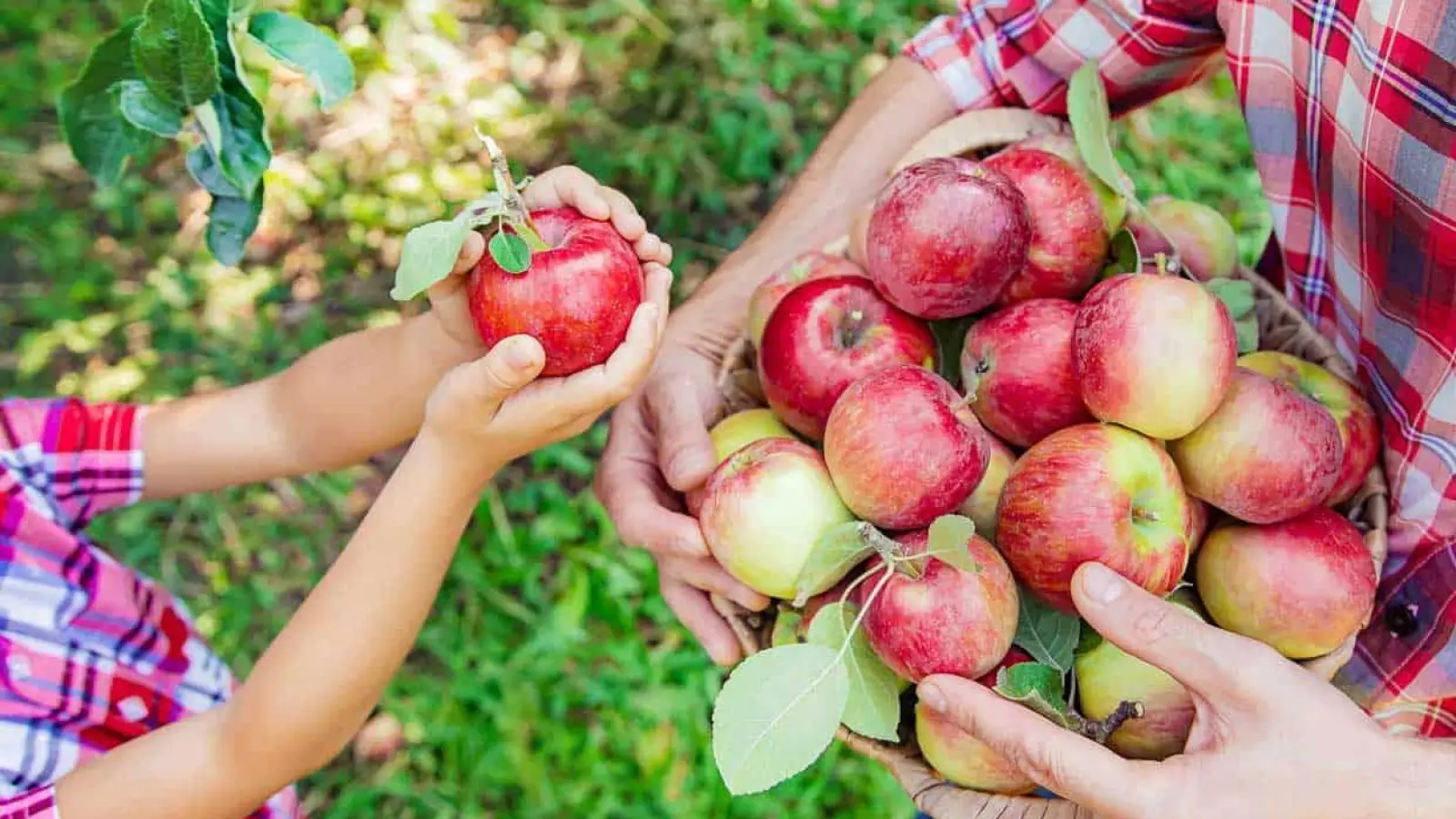
The term ‘travelling apples‘ refers to apple varieties that are cultivated in diverse geographical regions and are shipped globally as part of modern agricultural practices. These varieties represent an intersection of agriculture, distribution, and globalization, showcasing the extensive reach of fruit cultivation beyond local boundaries. In recent years, significant advancements in cultivation techniques and transportation logistics have enabled the apple trade to flourish, resulting in a wide array of apples available to consumers around the world.
Apples, which were once predominantly grown and consumed in localized regions, are now part of a global market. For instance, specific apple varieties are bred for their resilience and flavor, making them suitable for various climates. This is particularly important as climate change impacts traditional growing regions. Consequently, farmers are adopting new methods and technologies to ensure that these travelling apples remain sustainable, thereby contributing to both local economies and global supply chains.
The significance of local versus imported apples cannot be understated. While local apples often provide freshness and support regional agriculture, imported apples, or travelling apples, offer a range of flavors and varieties that may be out of season in certain areas. This exchange of apples contributes to consumer choice on a global scale, allowing individuals to experience different tastes throughout the year. Moreover, this dynamic fosters a deeper understanding of agricultural practices across cultures, as consumers learn about the origins of their food.
In essence, travelling apples highlight the changing landscape of agriculture where globalization plays a vital role in food distribution. As climate variables dictate new growing practices, the concept of travelling apples will continue to evolve, impacting agricultural trends and consumer preferences worldwide.
The Latest Articles on Apple Cultivation Trends
Recent developments in apple cultivation have been shaped by innovative farming practices and technological advancements that respond to evolving market demands. The integration of sustainability into apple farming has gained momentum, prompting researchers and farmers alike to adapt to climate variations, consumer preferences, and economic pressures. Latest articles exploring these trends highlight significant findings from academic studies and expert analyses, which emphasize the need for a more resilient apple industry.
One prevalent theme in the latest articles concerning apple cultivation is the emphasis on sustainable agricultural practices. Recent studies indicate that a shift towards organic farming and environmentally friendly methods not only meets consumer demand but also enhances crop resilience against climate variability. For instance, reports suggest that implementing cover cropping and reduced pesticide use have positively impacted both soil health and apple yield over time. Such practices not only benefit growers but also appeal to eco-conscious consumers.
Technological advancements are another focal point in the latest discussions around apple farming. Precision agriculture, powered by data analytics and GPS technology, allows farmers to monitor apple orchards more effectively, thus optimizing resource allocation. Drones and satellite imagery are helping in assessing crop health more accurately than ever, contributing to improved decision-making. These technological interventions are proving invaluable, especially as the apple cultivation industry strives to meet the increasing global demand for apples, as highlighted in various recent articles.
Additionally, the latest studies uncover insights into consumer trends, which influence apple marketing and distribution strategies. Understanding consumer preferences is crucial for apple growers to tailor their products accordingly, ensuring that they remain competitive in an evolving market. This synthesis of knowledge from various scholarly articles provides a comprehensive view of how the apple cultivation sector is progressing in response to contemporary challenges and opportunities.
Cultural Impact of Apples Through Travel
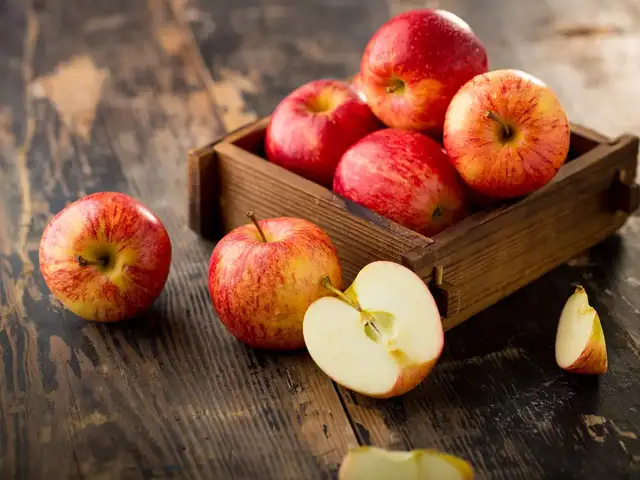
The influence of apples on various cultures around the world is profound and multifaceted, transcending mere culinary appreciation. As the latest articles travelling apples illustrate, this fruit has significantly shaped social practices, regional festivals, mythologies, and culinary traditions, thus highlighting its central role in various communities. Throughout history, apples have been integral to agricultural practices, serving as a staple food source that nourishes populations across continents.
Festivals celebrating the apple harvest are quite common in many regions. For instance, the United States hosts the well-known National Apple Harvest Festival, which draws numerous visitors eager to partake in activities highlighting the cultural significance of apples. These events often incorporate traditional music, dances, and local cuisines, fostering a sense of community while reinforcing the importance of apples within local customs. Similarly, in Europe, the apple has historical ties with various harvest festivals, showcasing the fruit’s prominent role in celebrating the changing seasons and agricultural abundance.
Culinary practices involving apples also vary widely across cultures, influenced by regional flavors and ingredients. From the classic French tarte tatin to the iconic American apple pie, these dishes exemplify how apples have been adapted into traditional cuisines through migration and globalization. The movement of apple varieties themselves has contributed to these diverse culinary uses. Varieties that were once localized to specific areas have traveled the globe, enriching the gastronomic landscape of different communities.
Mythology further underscores the apple’s cultural significance, as seen in tales from various cultures where apples symbolize knowledge, temptation, and immortality. As such, apples transcend their physical form, entering the realms of literature and folklore. The exchange of apples between cultures has therefore not only enriched dietary practices but has also facilitated global cultural exchanges. Overall, the cultural impact of apples illustrates their vital role in shaping societal norms and culinary preferences worldwide.
What’s Next for Latest Articles Travelling Apples?
The apple industry is at the cusp of various transformative changes, as illuminated by recent findings in the latest articles travelling apples. One significant trend is the shifting consumer preferences towards organic and sustainably-grown apples. As health consciousness rises, many consumers are leaning towards chemical-free options, thereby pushing producers to adapt their farming methods accordingly. This could lead to an increase in the availability of organic apple varieties, which could also impact pricing structures in both local and global markets.
Furthermore, innovations in farming technologies hold the potential to revolutionize apple production. With advancements in precision agriculture, growers can leverage data analytics to optimize yield while minimizing resource usage. Techniques such as drone scouting, smart irrigation systems, and biotechnology for disease resistance are gaining traction. These innovations, highlighted in the latest articles travelling apples, can enhance productivity and sustainability, enabling the apple industry to meet the increasing demand effectively.
However, the industry is also faced with ongoing challenges such as climate change and evolving trade regulations. Extreme weather events increasingly threaten apple orchards around the globe. Consequently, growers may need to adopt more resilient strains of apples and invest in environmental management practices to counteract these effects. Trade policies can also significantly influence the availability of apples, making it important for producers to stay informed about market dynamics and regulatory shifts. The potential for tariff adjustments may alter the competitiveness of domestically produced versus imported apples.
XAs we look to the future, the interplay between consumer preferences, technological advancements, and external challenges will shape the landscape of the apple industry. It is crucial for stakeholders, including farmers, marketers, and consumers, to remain attuned to these developments to foster a sustainable and varied apple market worldwide.




Post Comment