The Rise and Influence of Thomas Farage in Modern Politics
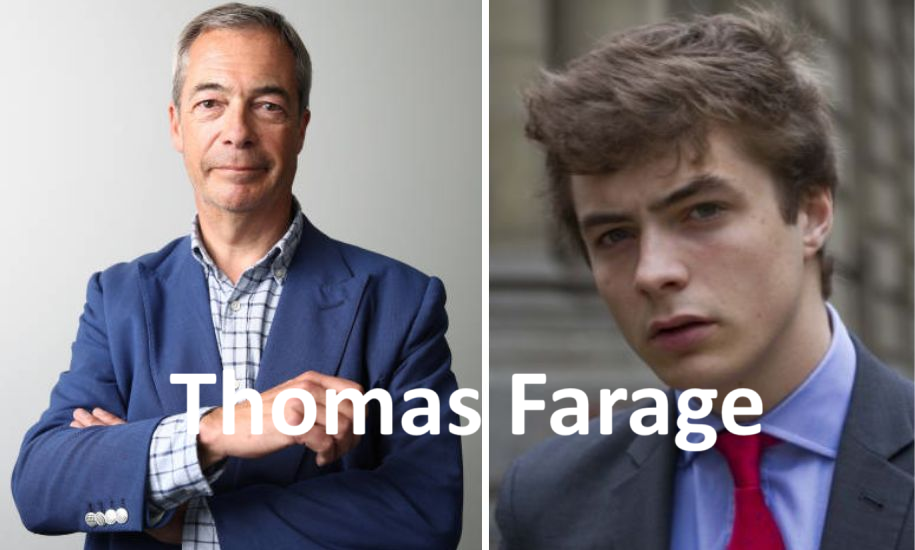
Who is Thomas Farage? A Political Biography
Thomas Farage, a prominent figure in modern politics, has captured public attention through his ardent advocacy for populist and nationalist causes. Born in 1964 in Kent, England, Farage grew up in a middle-class household. His father was a stockbroker, which provided young Thomas with a stable upbringing and exposure to financial discussions that would later influence his economic views. Farage’s early education took place at Dulwich College, an independent school that helped shaped his formative years.
After completing his schooling, Thomas Farage attended the University of Reading. Here, he pursued a degree in history, fostering a strong understanding of political movements and historical contexts that have informed his later pursuits. Post-university, he embarked on a career in finance, initially working for a commodities brokerage, which equipped him with essential skills in negotiating and market analysis. However, his political aspirations soon became apparent, leading him to join the UK Independence Party (UKIP) in the 1990s. This move marked the beginning of his significant journey in politics.
Thomas Farage rapidly ascended through the ranks of UKIP, becoming its leader in 2006. His leadership was characterized by a strong anti-EU stance, resonating with many voters who felt disconnected from traditional political narratives. He successfully campaigned for the United Kingdom’s exit from the European Union, a pivotal moment that galvanized his influence on the national stage. Farage’s efforts culminated in the 2016 Brexit referendum, where his vision for an independent Britain significantly shaped the outcome.
Throughout his political career, Farage has faced both admiration and criticism. His ability to tap into populist sentiments has established him as a controversial but influential figure in British politics, navigating the complexities of national and local issues alike.
Key Policies and Political Ideologies of Thomas Farage
Thomas Farage, a significant figure in contemporary political discourse, has championed a series of policies that reflect his distinctive ideological stance. Primarily known for his role in advocating for Brexit, his economic policies often emphasize national sovereignty, economic deregulation, and a robust approach to trade. Farage argues that leaving the European Union will allow the United Kingdom to forge independent trade agreements, which he believes is essential for enhancing the UK’s economic vitality. This perspective aligns with his broader belief in reducing governmental control over markets to stimulate entrepreneurship and job creation.
In social policies, Farage has taken a firm stance on immigration, advocating for stringent border controls and a points-based immigration system. He contends that a controlled immigration policy is vital for maintaining social cohesion and ensuring that public services are not overstretched. These views resonate with a significant segment of the electorate that feels concerned about the implications of unrestricted immigration. Furthermore, Farage’s social platform incorporates elements of nationalism, celebrating British culture and identity, which he believes are essential in times of globalization.
On foreign policy, Thomas Farage frequently critiques the influence of supranational entities, asserting that they undermine national interests. His approach is characterized by a preference for bilateral agreements rather than multilateral ones, reflecting his skepticism towards international organizations like the United Nations and NATO when he perceives them as infringing on national sovereignty. As political currents shift, Farage’s ideologies often garner both support and criticism, placing him at the center of ongoing debates surrounding nationalism, economic independence, and social identity. These policies not only shape his political brand but also significantly impact the dynamics of modern British politics and voter sentiment.
Thomas Farage’s Role in Recent Political Events
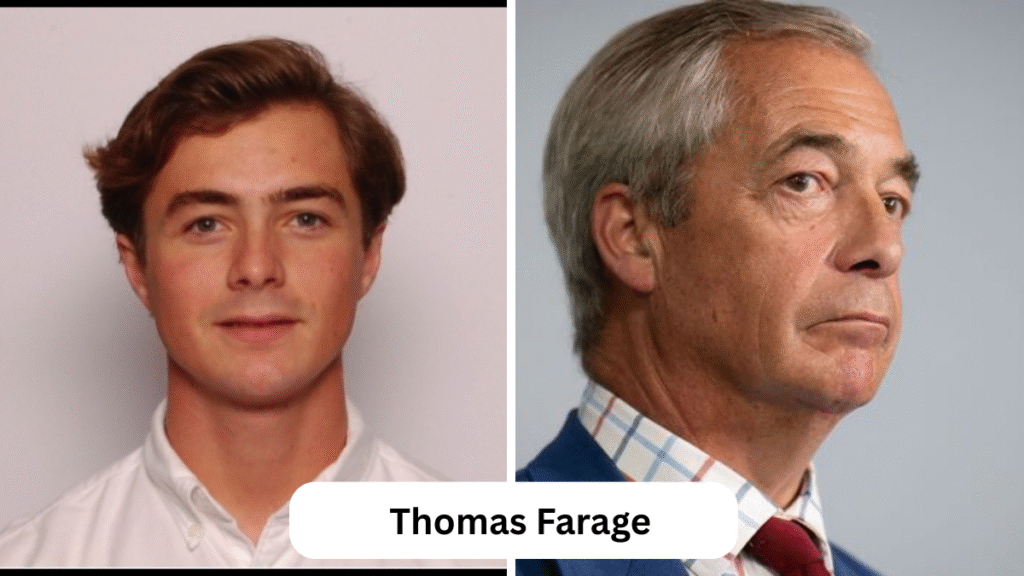
Thomas Farage has emerged as a pivotal figure in modern politics, particularly due to his influential role in the Brexit movement. As a leading advocate for the United Kingdom’s exit from the European Union, Farage utilized his platform to articulate the concerns of those who favored leaving, emphasizing issues such as national sovereignty and immigration control. His ability to connect with the public sentiment surrounding these topics enabled him to mobilize significant support, facilitating a referendum that ultimately reshaped the nation’s political landscape.
Moreover, Farage’s involvement extended beyond Brexit. He has consistently engaged in public discourse, influencing opinions through media appearances and public speeches. His ability to articulate the frustrations of many citizens towards established political parties allowed him to resonate with a broader audience, often drawing attention to the perceived disconnect between politicians and the electorate. This discontent has underscored his significance in advocating for populist sentiments, which have gained traction in various parts of Europe. Farage’s rhetoric often focuses on the themes of independence and the importance of prioritizing national interests, thus positioning himself as a stalwart against globalization.
Furthermore, in response to the changing political dynamics, Thomas Farage has adeptly repositioned himself within the political spectrum. With the rise of new political movements, he has engaged in partnerships and strategic alliances that bolster his influence further. His recent initiatives, including the founding of political parties, are indicative of his ongoing commitment to shaping electoral outcomes and influencing policy discussions. As a prominent political figure, Farage’s actions and rhetoric continue to play a crucial role in contemporary political debates, reflecting his persistent influence amidst ongoing discussions of national identity and governance.
Public Perception and Legacy of Thomas Farage
Thomas Farage has succeeded in carving a distinctive niche within the tapestry of modern British politics, generating a spectrum of responses from various demographic and political groups. Supporters often laud him for his charismatic persona and his role in advocating for Brexit, arguing that his persistent stance against the European Union resonated with the sentiments of many British citizens. Farage’s advocacy for national sovereignty and immigration control has garnered a loyal following, positioning him as a populist figure who challenges the traditional political establishment.
Conversely, critics of Thomas Farage cite his approach as polarizing. Detractors argue that his rhetoric exacerbates divisions within society, particularly regarding immigration and national identity. Furthermore, his association with nationalist sentiments raises concerns about the implications for inclusivity and multiculturalism in British society. Political commentators frequently highlight that while Farage may have effectively mobilized a segment of the electorate, his legacy could also be associated with a rise in far-right populism and a retreat from conciliatory politics.
As historians and political analysts look back on the era defined by Thomas Farage, the assessment of his contributions will likely oscillate between recognition of his significant influence and criticism of the controversies he has engendered. It is anticipated that his legacy will be subjected to extensive scrutiny, particularly concerning the societal implications of his policies and public discourse on national identity and integration. The long-term effects of his political endeavors, especially regarding Brexit and its aftermath, will be critical in determining how future generations perceive his role in shaping contemporary politics.
In conclusion, the public perception of Thomas Farage is multifaceted, characterized by both fervent support and staunch opposition. His legacy remains a topic of debate, reflecting broader trends in political polarization and the evolving landscape of British politics.

Post Comment