Why Lake Texoma Should Be Capitalized: A Deep Dive into Its Significance
The Importance of Proper Nouns in Geographical Contexts
Understanding the rules of lake texoma should be capitalized in the English language, particularly concerning geographical names. Proper nouns, including lakes, rivers, mountains, and cities, must always be capitalized. This rule is not arbitrary; it serves to convey respect and recognition for the entities represented. For instance, when referring to the prominent body of water situated on the border of Texas and Oklahoma, one must write ‘Lake Texoma’ rather than ‘lake texoma’ to signify its status as a proper noun. This acknowledges its unique identity as a significant geographical landmark.
The proper capitalization of geographical names, such as ‘Lake Texoma’, also impacts clarity in communication. Readers are more likely to recognize and appreciate these names as distinct entities, enhancing their understanding of the text. It establishes a standardized way to refer to well-known natural features, which can be particularly important in educational, travel, and environmental contexts. Moreover, capitalizing these names reflects an acknowledgment of their cultural and natural heritage, elevating their status in public consciousness.
In regulatory or administrative documents, proper nouns are often associated with specific legal implications. Misrepresentation, such as writing ‘lake texoma’, can lead to misunderstandings or inaccuracies about land ownership, environmental regulations, or recreational usage rights. Thus, it is imperative that entities like ‘Lake Texoma’ are identified with the utmost respect and correctness. Consistent adherence to capitalization norms reinforces our commitment to honoring natural landmarks and facilitates effective communication among various stakeholders.
A Brief Overview of Lake Texoma
Lake Texoma is a prominent reservoir located on the border of Texas and Oklahoma, formed by the construction of the Denison Dam on the Red River in the 1940s. Encompassing approximately 89,000 surface acres and boasting around 580 miles of shoreline, it stands as one of the largest reservoirs in the United States. The creation of Lake Texoma has not only altered the local geography but has also had considerable socio-economic implications for the surrounding communities.
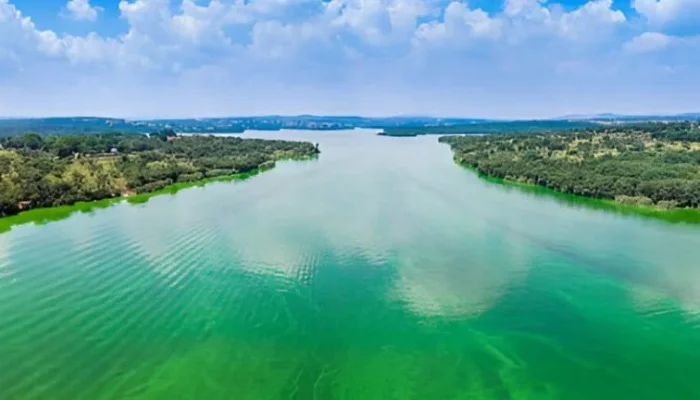
This body of water serves as a vital recreational hub, attracting visitors year-round who engage in various activities such as boating, fishing, water skiing, and camping. With its clear waters and expansive landscape, Lake Texoma provides an ideal getaway for outdoor enthusiasts and those seeking solace in nature. Its diverse offerings include established marinas, parks, and trails that promote both relaxation and adventure.
Historically, Lake Texoma has played a crucial role in the region’s development. The reservoir was conceived during the post-Great Depression era, aimed at flood control and irrigation for agricultural lands. Over the decades, the lake has undergone various improvements and developments, ensuring that it not only meets the needs of local residents but also promotes tourism and economic growth. Its rich history, combined with ongoing investments in infrastructure, solidifies Lake Texoma’s position as a focal point in regional discussions.
As a recreational destination, Lake Texoma greatly contributes to the local economy, drawing thousands of tourists and recreational users annually. The significance of Lake Texoma is underscored by its unique offerings and rich historical context, illustrating why it is essential to recognize it as a vital feature in both Texas and Oklahoma. Thus, the phrase ‘Lake Texoma should be capitalized’ transcends mere grammatical considerations, reflecting the lake’s profound impact on the lives of people and communities in its vicinity.
Cultural and Economic Impact of Lake Texoma
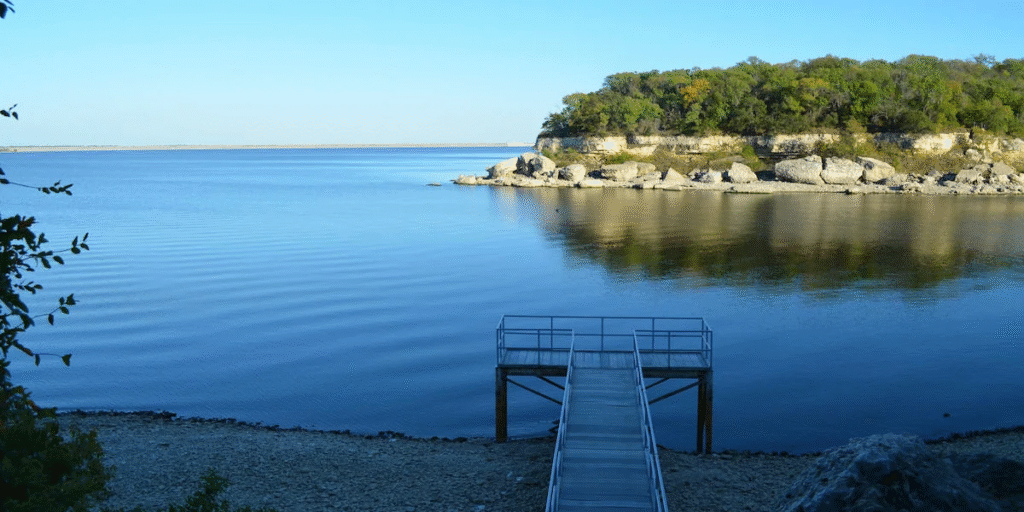
Located on the Texas-Oklahoma border, LAKE TEXOMA serves as a vital recreational and economic asset for the local communities. Its cultural significance extends beyond mere aesthetics; it has become an intrinsic part of the identity for residents and visitors alike. The LAKE TEXOMA region hosts numerous annual events that draw large crowds, including fishing tournaments, music festivals, and boating competitions. These events not only promote community engagement but also encourage tourism, making the LAKE a central hub for cultural celebrations.
The recreational opportunities presented by LAKE TEXOMA cannot be overstated. With its vast expanse of water, it is a prime location for activities such as fishing, sailing, and jet skiing. The LAKE is renowned for its diverse fish species, making it a favorite among anglers from near and far. As a result, local businesses thrive on the influx of visitors eager to explore the natural beauty. Motels, restaurants, and recreational outfitters have flourished around the region, tapping into the economic potential presented by the tourism industry.Through services like boat rentals, guided fishing tours, and eco-tours, LAKE TEXOMA generates significant revenue, contributing to the livelihoods of many residents.
The hospitality industry in the LAKE TEXOMA area greatly benefits from the steady stream of tourists, ranging from families seeking a weekend getaway to individuals attending larger events. As travelers flock to the LAKE, local establishments capitalize on their presence, fostering a symbiotic relationship that enhances both cultural and economic landscapes. This dual impact reinforces why LAKE TEXOMA is more than just a body of water; it is an essential pillar of local culture and an economic engine for the surrounding communities.
Preserving the Identity of Lake Texoma
Preserving the identity of LAKE TEXOMA is fundamental to ensuring that its significance, both ecological and cultural, resonates with future generations. The proper capitalization of the name reflects not just its geographical importance but also the pride and heritage intertwined with the communities surrounding it. As a shared resource between Texas and Oklahoma, LAKE TEXOMA symbolizes collaboration and unity, reinforcing the need for collective efforts in environmental conservation.
Numerous environmental conservation initiatives aim to protect the natural habitat of LAKE TEXOMA. Organizations dedicated to preserving water quality, wildlife habitats, and local ecosystems provide vital services to maintain the lake’s health. These efforts help to ensure that the lake remains a safe and inviting destination for visitors, while also protecting the interests of local flora and fauna. By properly acknowledging LAKE TEXOMA, we contribute to a culture of respect that underscores the necessity of these protective measures.
Community initiatives also play a pivotal role in reinforcing the identity of LAKE TEXOMA. Local residents often band together to organize clean-up events, educational programs, and recreational activities that foster a sense of stewardship and promote the region’s unique character. These events are not just about the physical environment; they are vital in shaping the cultural narrative surrounding LAKE TEXOMA. When residents and visitors view the lake with respect and admiration, it nurtures a stronger community identity, which ultimately reflects positively on the area.
In conclusion, recognizing and preserving the identity of lake texoma should be capitalized through appropriate capitalization serves as a crucial reminder of its significance. This approach not only highlights the lake’s natural beauty and ecological importance but also symbolizes local pride. By appreciating and respecting this iconic destination, we ensure that its character continues to be celebrated by residents and visitors alike.

Post Comment