Transforming Learning Spaces: Unlocking the Potential of Classroom 20X
What is Classroom 20X?
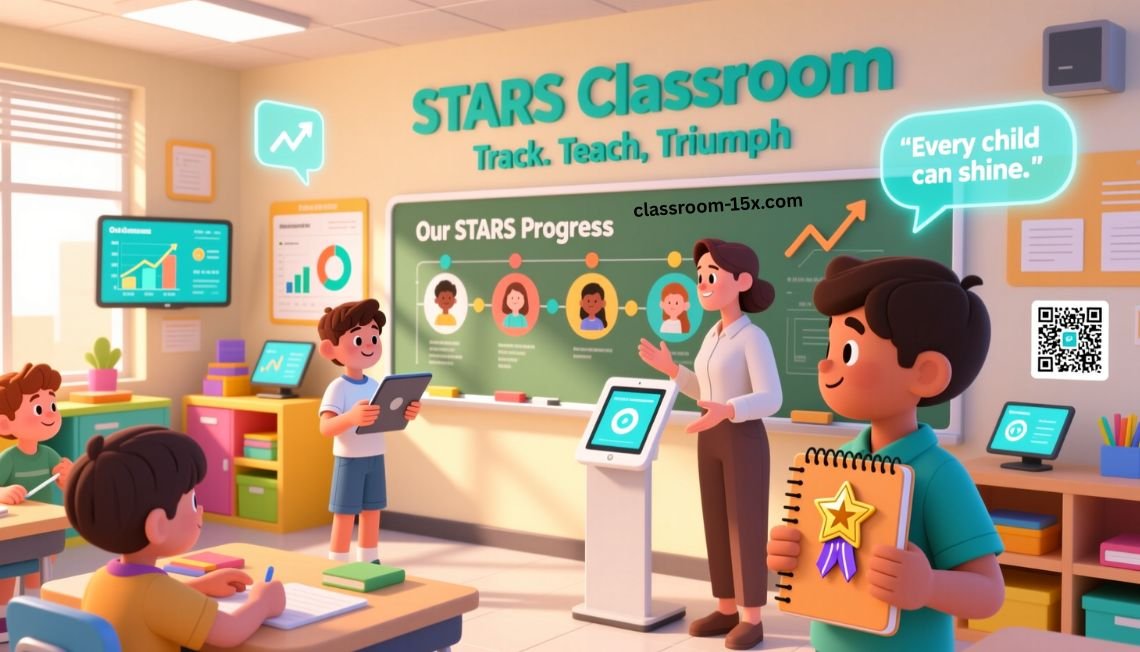
The concept of Classroom 20X represents a significant evolution in educational environments, aiming to cater to the diverse learning needs of today’s students. It emerges from the necessity to adapt traditional teaching practices to the rapid advancements in technology and the changing landscape of information accessibility. Classroom 20X is not simply a physical space; it embodies a new philosophy that prioritizes collaboration, innovation, and personalized learning experiences.
At its core, Classroom 20X integrates advanced technology with contemporary pedagogical strategies to create dynamic learning settings. Key characteristics of Classroom 20X include flexible seating arrangements, access to digital resources, and interactive tools that encourage student engagement. This environment is designed to support various learning styles, allowing educators to tailor instruction to meet individual needs effectively.
One essential aspect that sets Classroom 20X apart from traditional classrooms is its emphasis on collaborative learning. Students frequently work in groups, utilizing digital platforms for project-based assignments that reflect real-world challenges. For instance, schools implementing Classroom 20X might use tools such as virtual reality in Social Studies lessons, providing immersive experiences that enhance understanding and retention. Additionally, adaptive learning software can be employed to personalize curricula, ensuring that each student progresses at their own pace.
Moreover, Classroom 20X encourages educators to adopt innovative teaching methodologies that promote critical thinking and problem-solving skills. By leveraging a blended learning approach, teachers can combine in-person instruction with online resources, fostering an environment that supports inquiry and exploration. The blending of these various educational elements not only prepares students for future academic success but also equips them with skills necessary for navigating the complexities of the modern world.
Benefits of Implementing Classroom 20X
The implementation of Classroom 20X brings forth numerous advantages for students, educators, and educational institutions alike. One of the primary benefits is the enhancement of student engagement through the integration of technology. Classroom 20X facilitates a student-centered learning environment, empowering learners to take charge of their educational journeys. This shift not only promotes active participation but also encourages critical thinking and collaboration among peers, essential components in today’s educational landscape.
Research has demonstrated that classrooms utilizing modern technological tools witness notable improvements in academic performance. For instance, a study conducted by the International Society for Technology in Education revealed that students in technology-rich environments showed a 20% increase in math scores and a 15% improvement in reading comprehension compared to their traditional counterparts. Such statistics underscore the efficacy of Classroom 20X in bolstering educational outcomes, rendering it an invaluable model for contemporary education.
Furthermore, Classroom 20X is designed to be flexible and inclusive, catering to the diverse needs of learners. The variety of learning modalities supported by this approach allows for differentiated instruction, ensuring that each student can learn at their own pace. This inclusivity is vital for accommodating varied learning styles, whether visual, auditory, or kinesthetic, thereby promoting a more equitable learning experience.
Case studies have also highlighted the positive impacts of adopting Classroom 20X. Schools that have embraced this model report improved student satisfaction and a greater sense of community within the classroom. Educators often note enhanced motivation among their students, as the interactive tools available in Classroom 20X foster a more engaging and supportive atmosphere. Overall, the benefits of implementing Classroom 20X extend far beyond mere technology integration; they reflect a holistic approach to education that prioritizes learner engagement and success.
Challenges and Considerations in Adopting Classroom 20X
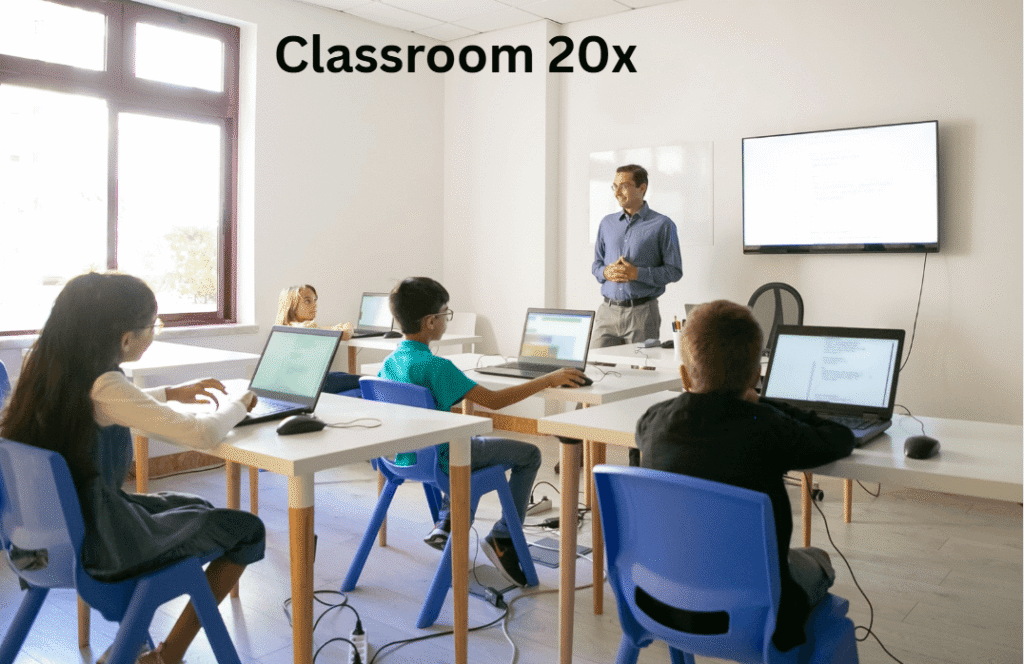
The transition to Classroom 20X represents a significant shift in educational practices, but it is not without its challenges. One of the primary obstacles schools face is the financial investment required for implementation. The costs associated with updating infrastructure, acquiring new technology, and redesigning learning spaces can be substantial. Many institutions must navigate budget constraints and seek additional funding sources or grants to support such endeavors. A thorough cost-benefit analysis is essential to ensure that the long-term benefits of adopting Classroom 20X justify the initial outlays.
Another critical challenge lies in the training of educators. For Classroom 20X to be effective, teachers must not only be proficient in using technology but also in applying innovative teaching strategies that this model promotes. Professional development programs should be established to equip educators with necessary skills and pedagogical knowledge. These programs must be ongoing to allow teachers to adapt as technology evolves and to fully leverage the potential of Classroom 20X.
Moreover, ongoing support and maintenance of technologies are vital to sustain the classroom environment effectively. Schools should ensure that there is a dedicated IT support team to address any technical issues promptly. This will help create a seamless learning experience for both educators and students. Additionally, it is crucial that school leaders actively support and advocate for the Classroom 20X transition. Their buy-in is essential not only for securing resources but also for fostering a culture that embraces change and innovation.
A broader consideration involves equity in access to technology. It is imperative that all students, regardless of socio-economic background, have the necessary tools and resources to benefit from the Classroom 20X approach. Addressing these challenges proactively will enhance the odds of successful implementation, ultimately unlocking the model’s full potential.
Future of Classroom 20X and Educational Innovation
The future of Classroom 20X is poised to revolutionize education by integrating advanced technologies and innovative practices that cater to the diverse needs of students. As we progress into a more interconnected world, emerging trends such as virtual and augmented reality tools are set to reshape the learning environment. These immersive technologies allow students to engage with content in ways that traditional classrooms cannot, offering experiential learning opportunities that deepen understanding and retention.
Additionally, artificial intelligence (AI) is expected to play a significant role in the evolution of Classroom 20X. With AI-driven personalized learning systems, educators can tailor instruction to meet each student’s specific needs, thereby enhancing the learning experience. These adaptive technologies can analyze student performance in real time, guiding instructional strategies and curriculum design. As a result, students will receive more individualized attention and support, fostering an environment that encourages curiosity and critical thinking.
Furthermore, the impact of global connectivity cannot be overlooked. With the proliferation of online resources and collaborative platforms, Classroom 20X can extend beyond physical boundaries, allowing for international partnerships and shared learning experiences. This connectedness will enable students to work on real-world problems and develop essential skills such as teamwork, communication, and cultural awareness. Educators and institutions must embrace these changes and actively seek ways to innovate within the Classroom 20X framework.
In preparation for the future workforce, educational institutions will need to prioritize the development of critical thinking, creativity, and digital literacy skills. By doing so, they can ensure that students are not only consumers of information but also creators and innovators. The Classroom 20X environment offers a unique opportunity to harness these essential competencies, paving the way for a new generation of learners ready to meet the challenges of an ever-evolving landscape.



Post Comment