American Battery Technology Company — Powering the Future of Sustainable Energy
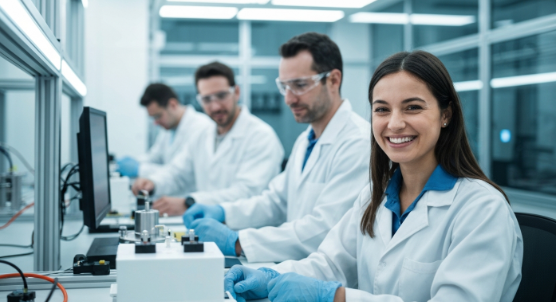
American Battery Technology Company (ABTC) is a U.S.–based technology and battery materials company that plays a pivotal role in the growing electric vehicle (EV), energy storage, and consumer electronics industries. As demand for lithium‑ion batteries soars globally, ABTC has positioned itself as a leader in creating a domestically-sourced, closed-loop battery metals supply chain that combines innovative recycling, manufacturing, and resource development — all with a strong focus on environmental sustainability and ethical practices.
Founded in 2011 (initially known as American Battery Metals Corporation), the company has evolved from a small startup with mining claims in Nevada to a publicly traded company on NASDAQ under ticker ABAT, valued for its proprietary processes that enable high-efficiency extraction and recycling of critical materials used in lithium-ion batteries.
Mission and Vision
American Battery Technology Company’s mission is to develop and commercialize sustainable, domestic sources of critical battery materials — including lithium, nickel, cobalt, and manganese — that are essential to powering modern electrification. The company envisions a future where the United States can rely less on foreign sources of battery metals and more on responsibly produced, low-impact domestic supply chains.
ABTC emphasizes the importance of a circular economy: recycling end-of-life batteries, reducing waste, and minimizing the environmental footprint associated with battery materials production.
Core Business Units
American Battery Technology Company operates through three integrated divisions that cover the full lifecycle of battery metals:
1. Lithium-Ion Battery Recycling
This division focuses on retrieving high-purity metals from spent lithium-ion batteries, including those from electric vehicles, consumer electronics, and grid storage systems. ABTC utilizes a proprietary hydrometallurgical process — a chemical extraction method — that recovers individual battery metals without the high-temperature smelting used in traditional recycling.
Their first commercial-scale recycling facility is located in the Tahoe-Reno Industrial Center in Nevada, where it operates with a design capacity of 20,000 metric tonnes per year.
The recycling process is designed to be feedstock agnostic, meaning it can process various battery shapes and chemistries, and recover key elements such as lithium, nickel, cobalt, manganese, copper, and aluminum — feeding them back into manufacturing supply chains.
2. Primary Battery Metals Manufacturing
In addition to recycling, ABTC is commercializing primary extraction technologies that convert domestic mineral resources directly into battery-ready materials. A notable focus is lithium hydroxide production from claystone resources near Tonopah, Nevada.
This manufacturing process uses innovative methods that promise lower environmental impact, reduced acid consumption, and lower costs compared with conventional lithium production.
3. Primary Resource Development
ABTC’s resource development unit manages lithium-bearing claystone mineral claims in Nevada — among the most significant domestic lithium deposits in the United States. These resources are intended to support long-term production of battery-grade materials and advance U.S. supply chain security.
Innovations and Technology
A key strength of American Battery Technology Company is its in-house development of breakthrough technologies for recycling and primary metals extraction. These technologies serve to:
- Recover high-purity critical metals at commercial scales.
- Reduce environmental impact relative to traditional mining and smelting.
- Support closed-loop economics, wherein materials are reused and repurposed rather than discarded.
This integrated approach — combining recycling with primary extraction — helps address several challenges in battery metals supply, including dwindling raw material sources, geopolitical dependencies, and the need for sustainable development.
Domestic and Strategic Importance
The United States remains heavily dependent on foreign sources for battery metals, with a significant portion of lithium refining taking place outside North America. ABTC’s operations aim to build domestic capacity and reduce this reliance, thereby:
- Supporting national energy and economic security.
- Creating American jobs in high-technology sectors.
- Aligning with federal policies and incentives that promote U.S.-based critical minerals supply chains.
The company has also participated in collaborative programs, including partnerships with the U.S. Department of Energy and industry stakeholders, to help develop a talent pipeline for future battery and EV workforce needs.
Financial Growth and Milestones
Over recent years, American Battery Technology Company has experienced notable commercial progress:
- In FY 2025, ABTC reported significant revenue growth, with quarterly increases exceeding 180%, highlighting the scaling of its recycling operations.
- The company has secured substantial government grants for facility expansion and new projects, including funding for a second, larger recycling plant designed to process up to 100,000 tonnes per year.
- ABTC has been included in major stock indexes, reflecting its growing market presence and investor interest.
These achievements demonstrate ABTC’s transition from early-stage development to commercial-scale operations, positioning it as a meaningful contributor to the U.S. battery materials ecosystem.
Challenges and Industry Dynamics
Despite its progress, ABTC’s journey is not without challenges. The battery materials sector is capital-intensive and requires continued investment in technology, infrastructure, and supply chain partnerships. Additionally, some government funding programs have faced regulatory hurdles and changes, highlighting the uncertainties that can accompany government-backed initiatives.
Nevertheless, the company continues to pursue strategic goals and remains focused on expanding its facilities, completing key permitting requirements, and ramping operations to meet growing demand.
Future Outlook
Looking ahead, American Battery Technology Company aims to:
- Scale its battery recycling facilities to handle more than 100,000 tonnes annually.
- Commercialize primary lithium extraction and processing to produce battery-grade lithium hydroxide domestically.
- Strengthen strategic partnerships with technology providers, governments, and industry leaders to enhance supply chain resilience.
By continuing to advance its technologies and infrastructure, ABTC strives to be a cornerstone of the American battery materials industry, supporting the electrification revolution and contributing to sustainable energy goals worldwide.
Conclusion
American Battery Technology Company represents a critical player in the transformation of the global energy landscape. By focusing on sustainable battery recycling, domestic production of lithium and other critical metals, and innovative extraction technologies, ABTC addresses both environmental and economic challenges facing the United States. Its work in creating a closed-loop, domestic supply chain not only reduces reliance on foreign sources but also supports the growth of electric vehicles, renewable energy storage, and advanced electronics industries.
Despite facing challenges such as capital intensity and regulatory hurdles, ABTC’s strategic investments, technological innovations, and expansion of commercial-scale operations position it as a key driver of the future of sustainable energy in America. Through its initiatives, the company exemplifies how technology, environmental stewardship, and economic development can work together to power a cleaner, more self-reliant energy future.
FAQs
Q: What does American Battery Technology Company do?
A: ABTC specializes in recycling lithium-ion batteries, manufacturing critical battery metals, and developing domestic lithium resources — all within a closed-loop, sustainable supply chain.
Q: Why is ABTC important for the U.S.?
A: The company helps reduce dependence on foreign battery metals, supports energy security, and creates high-tech jobs while addressing environmental concerns through recycling and low-impact processing.
Q: What technologies does ABTC use?
A: It uses proprietary hydrometallurgical processes to recover metals and advanced extraction methods for converting claystone resources into battery-grade materials.
Q: What are ABTC’s main business divisions?
A: Its core divisions are battery recycling, primary battery metals manufacturing, and primary resource development.
Q: What milestones has ABTC achieved?
A: ABTC has scaled commercial recycling operations, achieved rapid revenue growth, won major government grants, and been added to prominent market indexes.
Q: What challenges does ABTC face?
A: Funding uncertainties, capital-intensive infrastructure, and industry competition are ongoing challenges, though the company continues advancing its projects.


Post Comment