What Is Blog Defense and Why Does It Matter So Much
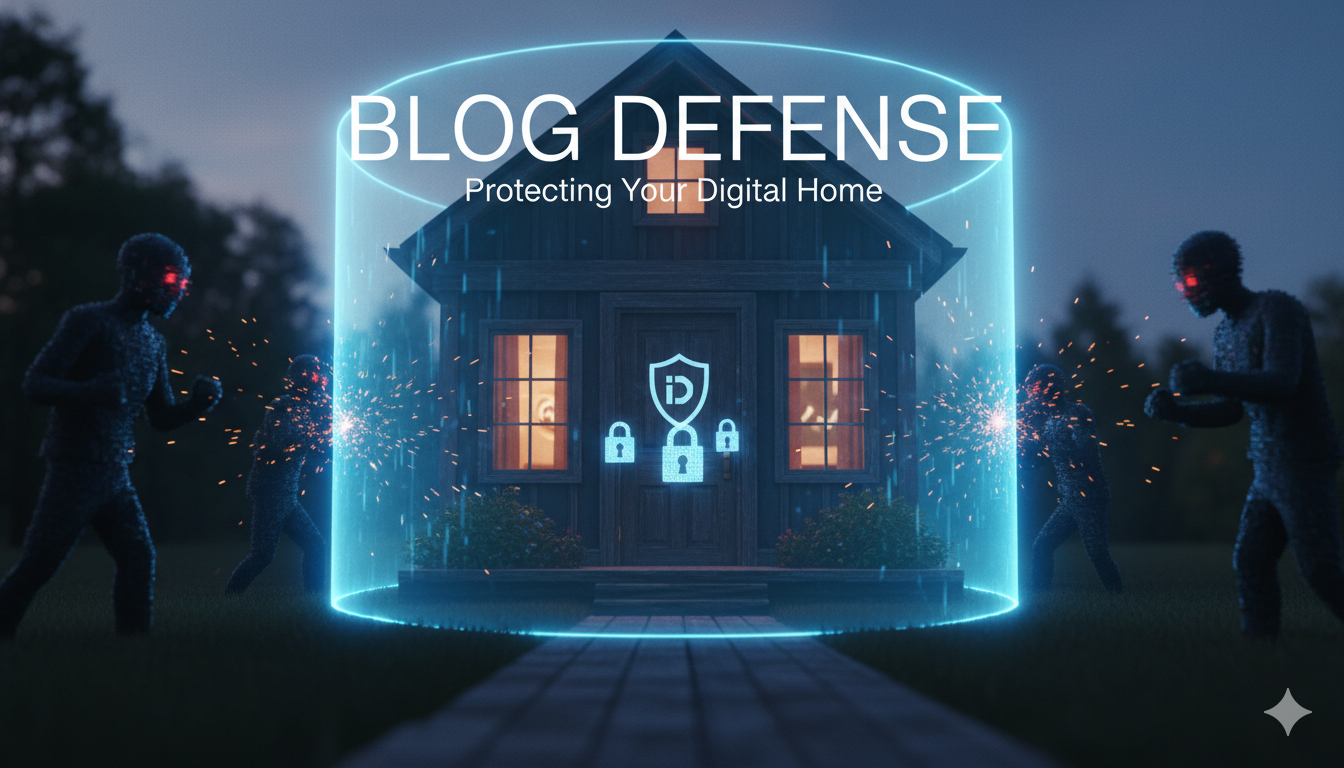
Having a website is a lot like owning a house. You want to keep your doors locked so that unwanted guests cannot get inside. Blog defense is the set of tools and habits you use to keep your site safe from hackers. Many people think that only big famous websites get attacked. However, small blogs are often targets because they might not have strong security. If someone breaks into your site, they could steal your information or delete your hard work. This is why learning about protection is the first step for any creator. You want your readers to feel safe when they visit your page.
Common Risks Every Website Owner Should Know About
There are many different ways a blog can get in trouble online. One common issue is called a brute force attack. This is when a computer program tries thousands of passwords until it finds the right one. Another risk is malware, which is like a virus for your website. It can slow down your site or show weird ads to your visitors. Using a strong blog defense strategy helps you block these problems before they start. You do not need to be a computer genius to understand these risks. Just knowing they exist helps you stay alert and proactive.
The Role of Strong Passwords in Your Security Plan
The easiest way to improve your blog defense today is by changing your password. Many people use simple words or birthdays, but those are very easy to guess. A great password uses a mix of capital letters, numbers, and special symbols. It should be long and not used on any other website. You might also want to use a password manager. This is a tool that remembers all your complex codes for you. When your login is strong, it acts like a heavy steel door. Hackers will usually give up and look for an easier target instead.
Why You Must Keep Your Software Updated Regularly
Updates are not just about getting new features or buttons. Most of the time, updates fix small holes in the security of your site. If you use a platform like WordPress, you will see notices for updates often. Ignoring these is a big mistake for your blog defense. Hackers look for old software because they already know how to break into it. Whenever you see an update for your theme or your plugins, click that button right away. It only takes a minute but saves you from hours of stress later on.
Using Two-Factor Authentication for Extra Safety
Two-factor authentication is a fancy name for a second lock. Even if someone steals your password, they still cannot get into your account. This system sends a special code to your phone that you have to type in. It is one of the most powerful tools in blog defense today. Most social media apps and banking sites use this already. Adding it to your blog makes it nearly impossible for a stranger to log in as you. It adds about ten seconds to your login time, but the peace of mind it provides is worth much more.
How to Choose the Best Security Plugins for Your Site
If you are not a coder, you can use plugins to handle your blog defense for you. These are small apps that live inside your website. Some of them act like a digital security guard that watches your site 24 hours a day. They can block suspicious people from even seeing your login page. Popular options include Wordfence or Sucuri, but you should pick the one that feels easiest for you to use. Make sure to read the reviews before installing anything new. A good plugin will give you reports on who tried to visit your site and what it blocked.
The Importance of Making Regular Backups
Imagine waking up and finding that your entire website has disappeared. This happens more often than you might think. A key part of blog defense is having a backup plan. A backup is just a copy of your site stored in a safe place. If something goes wrong, you can just press a button and bring your site back to life. You should try to make a backup at least once a week. Some tools can even do this automatically for you every single night. It is the ultimate safety net for any digital creator.
Protecting Your Site from Spammers and Bad Comments
Spam comments are not just annoying to read. Sometimes, they contain links to dangerous websites or hidden viruses. Good blog defense includes managing your comment section strictly. You can set your site so that you have to approve every comment before it shows up. You can also use tools like Akismet to filter out the junk automatically. This keeps your site looking professional and clean. Your real readers will appreciate not having to scroll through hundreds of fake advertisements to find the actual conversation.
Understanding SSL Certificates and Secure Connections
Have you ever noticed the little padlock icon next to a website address? That means the site has an SSL certificate. This tool encrypts the data moving between your blog and your reader. Without it, a hacker could “listen” to the connection and steal info. Having an SSL is a major part of blog defense and it also helps your SEO. Google prefers websites that are secure and safe for users. Most hosting companies give you an SSL for free these days. It is a simple setting that makes a huge difference in how professional your blog looks.
How to Monitor Your Blog for Suspicious Activity
Even with great tools, you should still check on your site yourself. Look for things that seem out of place, like new pages you didn’t create. Sometimes hackers will hide small files in your folders. Good blog defense means being a bit of a detective. Check your traffic stats once a week to see if there are weird spikes from countries you don’t usually reach. If you see something strange, don’t panic. Just run a security scan using your plugin. Most issues are easy to fix if you catch them early enough.
Final Thoughts
Building a blog takes a lot of time and heart. Protecting that effort with solid blog defense is the best gift you can give yourself. You do not have to do everything at once. Start with a better password and an SSL certificate today. Next week, you can look into plugins and backups. The goal is to create a safe environment where you can share your ideas without fear. Security is a journey, not a destination. Stay curious, stay updated, and your blog will thrive for a long time.
Frequently Asked Questions
What is the most important part of blog defense for beginners?
The most important part is having a strong, unique password and using two-factor authentication. These two steps stop the majority of simple hacking attempts immediately.
Do I need to pay for blog defense tools?
Not always. There are many great free versions of security plugins and SSL certificates. As your blog grows, you might choose to pay for extra features, but free tools are a great start.
How often should I scan my website for viruses?
It is a good idea to have your security plugin set to scan automatically once a week. If you notice your site is acting slow or weird, you should run a manual scan right away.
Can a hacked blog be fixed?
Yes, most of the time you can fix a hacked blog. This is why having a backup is so helpful. You can simply delete the bad files and replace them with your clean backup copy.
Does blog defense help my Google ranking?
Yes, it does. Google wants to send people to safe websites. If your site is marked as “unsafe” or has no SSL, it will be very hard to show up in search results.
Should I hire an expert to secure my blog?
If you are just starting, you can usually handle the basics yourself using easy plugins. If you run a very large business site with lots of customer data, then hiring a pro is a smart move.







Post Comment