Monobenzone for Vitiligo: What Patients Should Know Before Depigmentation Therapy

Vitiligo is a chronic skin condition characterized by the loss of pigmentation, often affecting large or visible areas of the body. In advanced cases where repigmentation therapies are ineffective, monobenzone may be used as part of permanent depigmentation treatment.
This article explains how monobenzone works, when it is prescribed, and what patients should understand before starting therapy.
What Is Monobenzone and How Does It Work?
Monobenzone is a topical depigmenting agent that causes permanent destruction of melanocytes, the cells responsible for producing skin pigment. Unlike skin-lightening agents such as hydroquinone, monobenzone leads to irreversible depigmentation.
Its mechanism includes:
- Selective melanocyte destruction
- Progressive lightening of pigmented skin
- Immune-mediated effects contributing to depigmentation
Because of its permanent action, monobenzone is reserved for very specific medical indications.
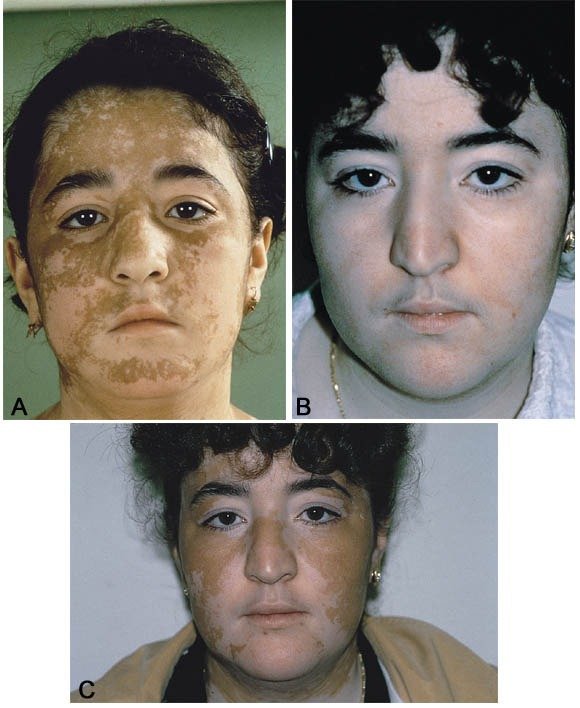
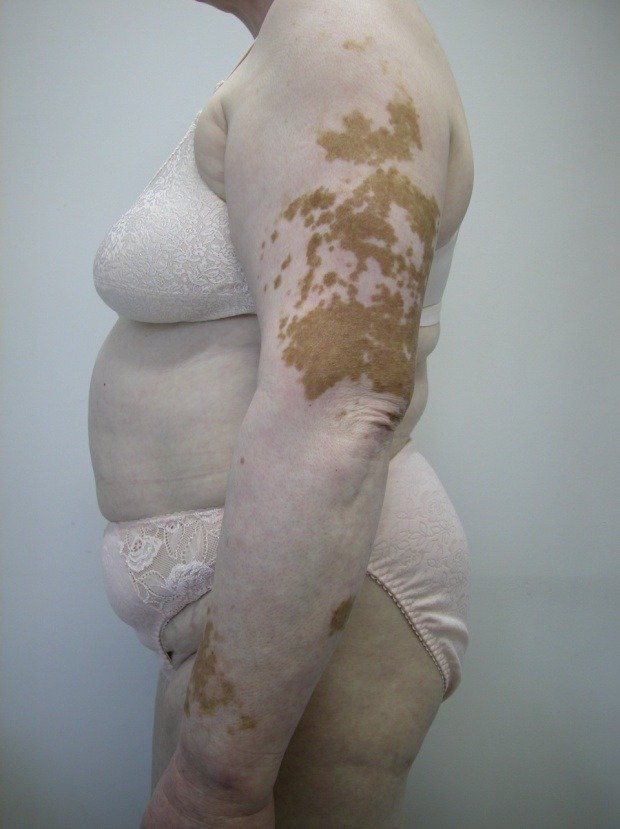
When Is Monobenzone Used in Vitiligo?
Dermatologists may recommend monobenzone for patients who:
- Have extensive vitiligo affecting more than 50% of the body
- Do not respond to repigmentation treatments
- Prefer uniform depigmentation over patchy appearance
- Fully understand the irreversible nature of treatment
Monobenzone is not a first-line therapy and should only be used under medical guidance.
According to DermNet NZ, monobenzone is indicated exclusively for permanent depigmentation in patients with widespread vitiligo and should not be used for cosmetic skin lightening.
How Monobenzone Is Applied
Treatment is gradual and may take several months to achieve even depigmentation.
Typical use includes:
- Application once or twice daily to pigmented areas
- Avoiding already depigmented skin
- Strict sun protection to prevent uneven results
- Long-term monitoring by a dermatologist
Sun exposure can cause severe sunburn in depigmented skin, making sunscreen essential.
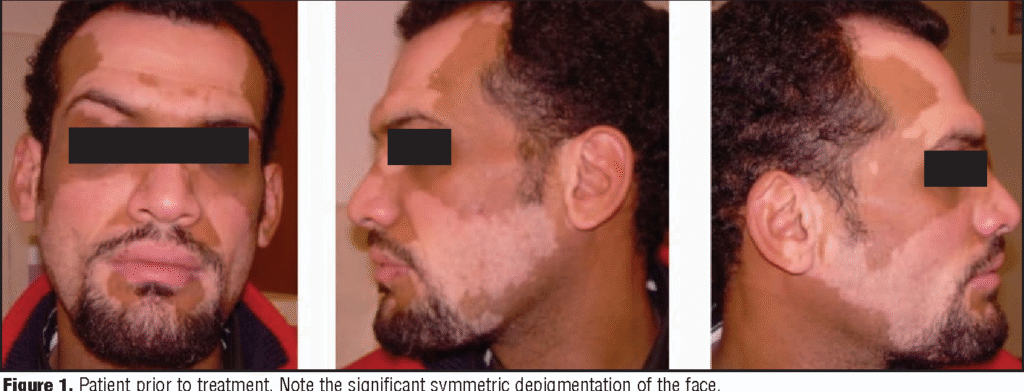

Possible Side Effects and Risks
Because monobenzone permanently alters skin pigmentation, side effects can be significant.
Potential risks include:
- Permanent uneven depigmentation
- Skin irritation or contact dermatitis
- Increased sun sensitivity
- Psychological impact of irreversible skin changes
For these reasons, patient education and informed consent are critical before starting therapy.
Choosing a Monobenzone Product
Consistency and formulation quality are essential for predictable results. A commonly used medical-grade option is:
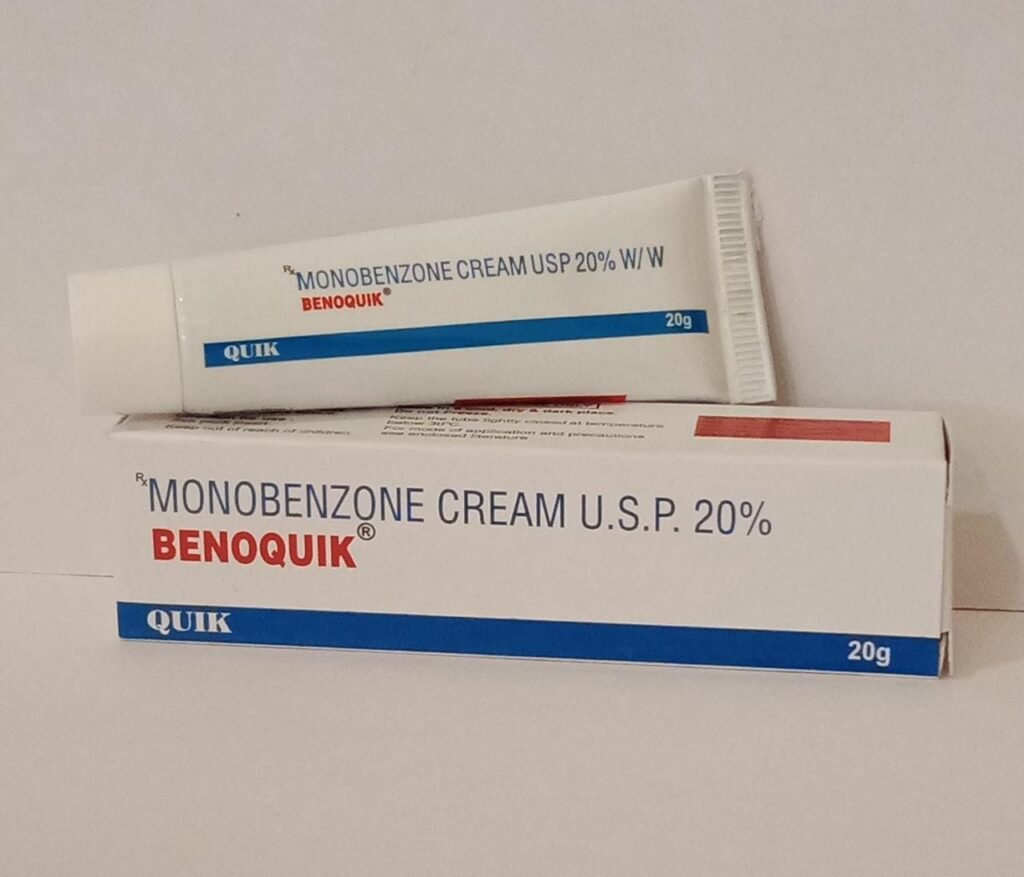
👉 monobenzone 20% cream
https://okdermo.com/product/benoquin-monobenzone-20-cream/
This concentration is typically used in supervised depigmentation protocols for advanced vitiligo.
Who Should Not Use Monobenzone?
Monobenzone should not be used by:
- Patients with localized or mild vitiligo
- Individuals seeking cosmetic skin lightening
- Pregnant or breastfeeding women
- Anyone unwilling to accept permanent depigmentation
A thorough dermatological evaluation is mandatory before treatment.
Conclusion
Monobenzone is a powerful and irreversible treatment option for patients with extensive vitiligo who no longer benefit from repigmentation therapies. When used appropriately and under medical supervision, it can help achieve a more uniform skin tone and improve quality of life.
Because of its permanent effects, monobenzone should always be approached with caution, education, and realistic expectations.






Post Comment