Unveiling the World of Ostropologe: An In-Depth Look into This Fascinating Field

What is Ostropologe?
Ostropologe is a specialized field of study that focuses on the scientific exploration of the various aspects of mushrooms and fungi. The term originates from the Greek words “ostron,” meaning “shell,” and “logos,” signifying “the study of.” This etymology reflects the fundamental characteristics of fungi, which often possess distinctive structures akin to shells. Ostropologe encompasses a wide range of subjects, including the taxonomy, biology, ecology, and even the culinary uses of mushrooms.
The relevance of ostropologe in contemporary studies cannot be overstated. In recent years, the importance of fungi has gained significant traction in environmental, medical, and culinary disciplines. For instance, fungi play a crucial role in ecosystems by facilitating decomposition and nutrient cycling, thus aiding in biodiversity. They also hold potential in pharmaceutical research, with certain species exhibiting properties that can lead to breakthroughs in medicine.
In addition, ostropologe explores key concepts such as mycorrhizal relationships, where fungi form symbiotic partnerships with plants, enhancing nutrient absorption. This aspect has vital implications for agriculture and ecological restoration. Furthermore, the field examines the use of mushrooms in sustainable cuisine, promoting a deeper understanding of food sources and health benefits.
Despite its emerging prominence, misconceptions about ostropologe exist. Some individuals confuse it with mycology, which is solely the study of fungi, while ostropologe takes a broader perspective by incorporating cultural, ecological, and practical dimensions. It is crucial to differentiate ostropologe from related disciplines, as its comprehensive approach provides unique insights into the world of fungi and their multifaceted role in nature and human society.
Historical Context and Evolution of Ostropologe
The field of ostropologe, the study of mollusks and their remains, has a rich historical context that dates back to ancient civilizations. Early records of shell collection and use can be traced to the Mediterranean cultures, where shells served as tools, currency, and decorative items. This initial fascination with mollusk species laid the groundwork for future scientific inquiry into their biology and ecology.
In the 16th century, with the advent of the Renaissance, the scientific community began to take a keen interest in systematic classification. Pioneering figures such as Hans Sloane and Carl Linnaeus contributed significantly to the taxonomy of marine species, including mollusks. Linnaeus’s binomial nomenclature system, established in the 18th century, provided a framework that is still utilized in modern ostropologe. His work allowed for a more organized approach to the study of mollusks, facilitating clearer communication among scientists.
The 19th century brought about significant advancements in research methodologies. The advent of the microscope opened new avenues for studying the intricate details of molluscan anatomy and physiology. This period also saw the emergence of influential scientists, such as Alfred Russel Wallace and Louis Agassiz, who expanded the exploration of marine biodiversity and its implications for evolution. Their contributions helped shape the theoretical frameworks of ostropologe, paving the way for more comprehensive studies of mollusks in various ecological contexts.
As we moved into the 20th century, the development of molecular biology and advanced genetic techniques further revolutionized ostropologe. Researchers began to explore evolutionary relationships among mollusk species, thereby enriching our understanding of biodiversity. Now, as we continue to delve deeper into the complexities of this field, it is essential to recognize how these historical milestones and influential figures have shaped current research trends and methodologies in ostropologe.
Key Areas of Research in Ostropologe
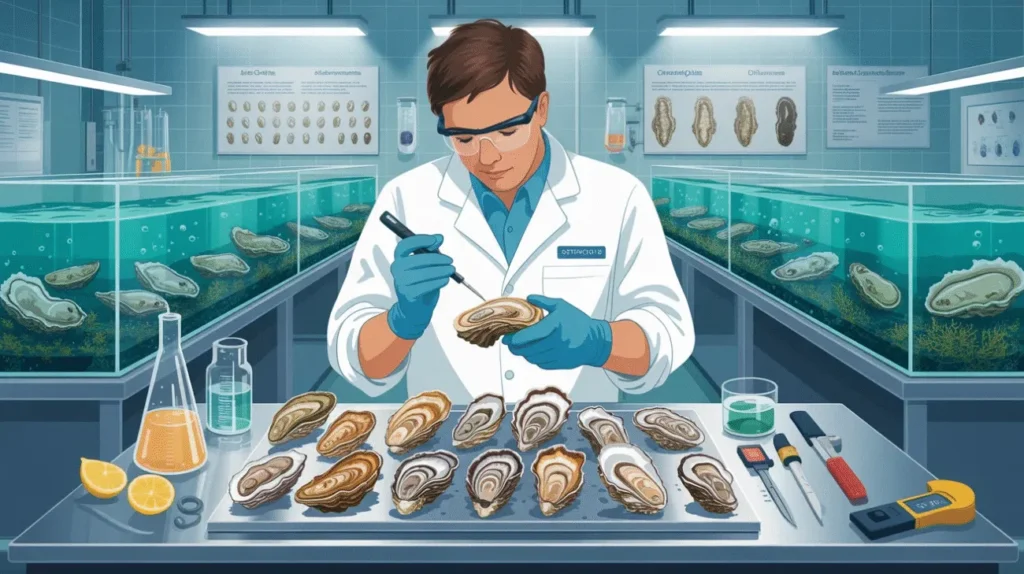
The field of ostropologe encompasses a diverse range of research areas that explore critical aspects of human life, culture, and their interactions with the environment. Practitioners within this discipline focus on understanding social structures, cultural dynamics, and the ecological factors that influence various groups. One significant area of study is cultural ostropologe, where researchers examine the beliefs, practices, and values that shape societies. This includes the investigation of rituals, traditions, and arts that define cultural identities and their transformations over time.
Another critical focus is on social ostropologe, which emphasizes the relationships and interactions within communities. This area addresses issues such as power dynamics, social inequality, and the implications of migration. Practitioners engage with current research questions around the impact of globalization on local cultures and how social networks adapt to changing circumstances. Furthermore, ongoing debates surround the ethical dimensions of research in this area, particularly regarding representation and informed consent from marginalized communities.
Environmental ostropologe has also emerged as a crucial area of inquiry, especially in light of climate change and ecological degradation. Researchers explore the connections between cultural practices and environmental sustainability, investigating how traditions can contribute to or detract from ecological balance. Topics such as indigenous knowledge systems, resource management, and land-use patterns are gaining traction as important areas of investigation. Emerging trends indicate a growing interest in interdisciplinary approaches that combine technology and traditional knowledge in seeking solutions to environmental challenges.
Through these various domains, ostropologe provides valuable insights that foster a deeper understanding of human relations and the complexities of societies, highlighting the significance of ongoing research in shaping a nuanced comprehension of our world.
The Future of Ostropologe
The field of ostropologe stands on the precipice of significant advancement, driven by technological innovations and a growing understanding of its complex relationships with various scientific disciplines. As professionals in this area continue to explore its vast potentials, several key themes emerge that could shape the future of ostropologe.
One notable advancement is the advent of cutting-edge technologies such as artificial intelligence and machine learning. These tools can analyze vast datasets and uncover patterns that were previously challenging to detect, thereby providing deeper insights into the biological and ecological aspects of ostropologe. With the integration of such technologies, researchers may develop more effective methods for monitoring species and their habitats, enhancing conservation efforts, and contributing to our understanding of ecosystem dynamics.
While opportunities abound, challenges also persist. The field must navigate issues such as funding limitations, environmental changes, and the need for sustainable practices. Climate change poses a significant threat to many species, prompting professionals in ostropologe to seek innovative solutions that not only address ecological concerns but also ensure long-term viability for research initiatives. Collaborative partnerships between academics, industry, and government entities will prove crucial in overcoming these challenges.
Interdisciplinary collaboration remains a cornerstone for the continued evolution of ostropologe. By joining forces with professionals from fields such as genetics, environmental science, and social sciences, specialists in ostropologe can foster a more holistic understanding of their subjects. This can lead to groundbreaking discoveries, enhanced educational programs, and initiatives that promote public awareness. Furthermore, such cooperation can stimulate new research methodologies and open up novel avenues for exploration.
In conclusion, the future of ostropologe is marked by potential advancements, various challenges, and a unique opportunity for collaboration. By embracing innovative approaches and interdisciplinary partnerships, the field can continue to evolve and contribute significantly to our understanding of biodiversity and ecosystem health.




Post Comment